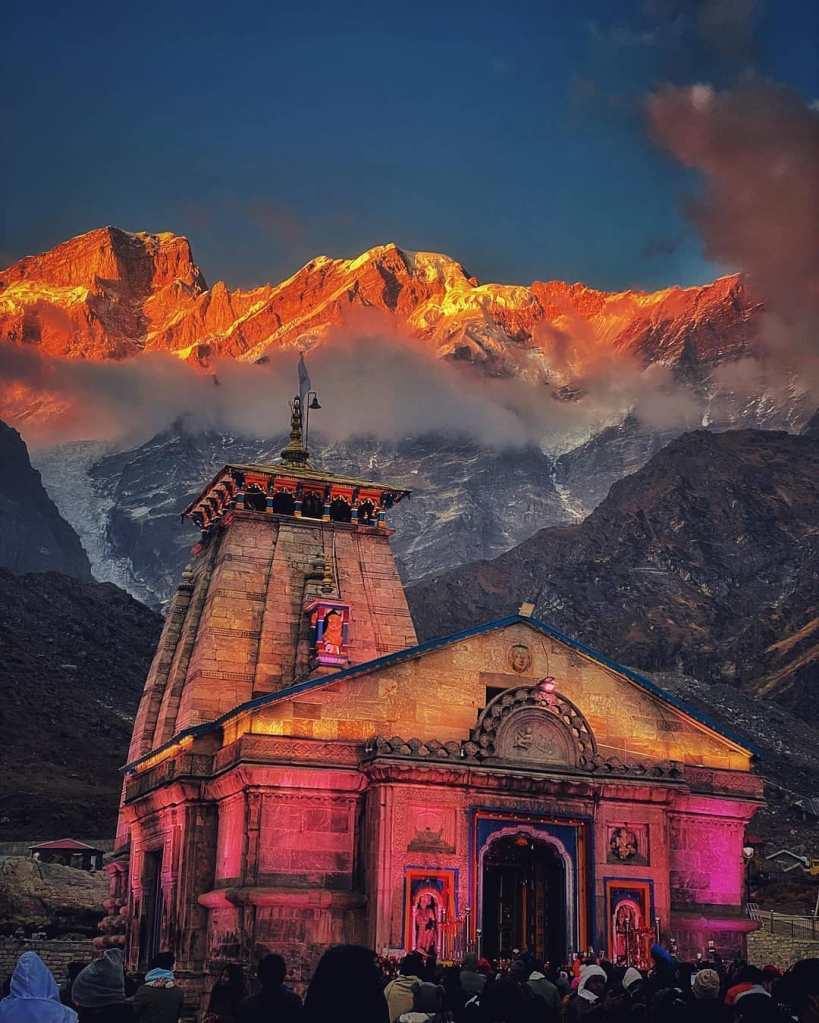
Kedarnath Temple

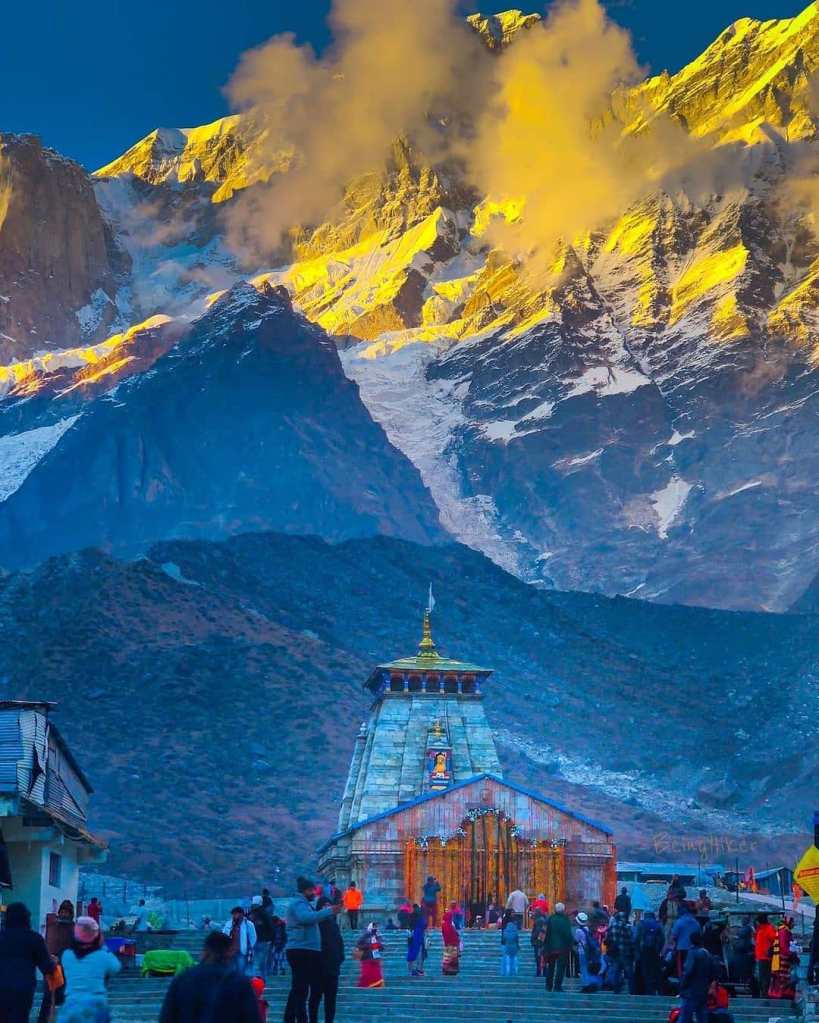
Among the glorious mountain peaks that are covered with nothing but snowstorm, lies one of the holiest pilgrim sites of northern India -“Kedarnath”. Famous for the ancient shrine devoted to Lord Shiva, it tenders an unflustered ambience with its colorful rhododendron woods, snow covered mountains and splendid sights of nature. This sacred city is visited by thousands of tourists from all over to seek the blessing of the lord and scout the undulating scenery of this region at an elevation of 11,755 ft above sea level. Almost all the appeals nestled in higher altitude render every bystander a fascinating and enchanting feeling. An amalgamation of devoutness and adventure is what makes it peerless and unique.
Instagram: magicalplaces_india

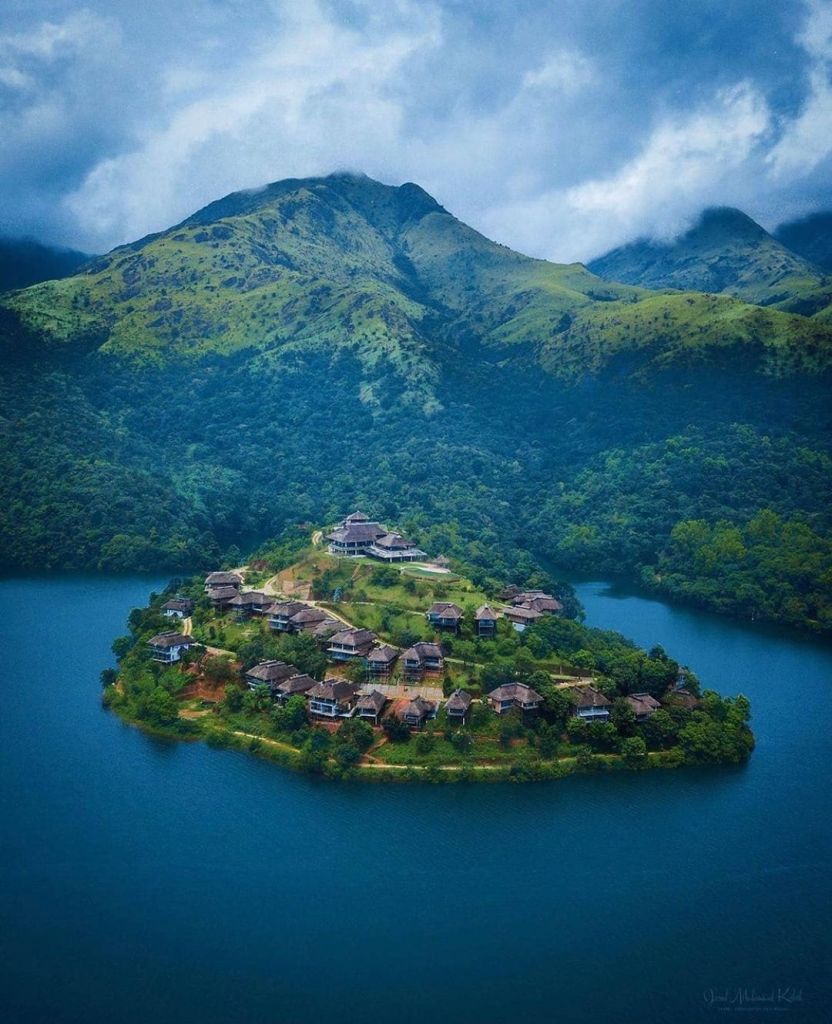
Wayanad , Kerala

Wayanad is a rural district in Kerala state, southwest India. In the east, the Wayanad Wildlife Sanctuary is a lush, forested region with areas of high altitude, home to animals including Asiatic elephants, tigers, leopards and egrets. In the Ambukuthi Hills to the south, Edakkal Caves contain ancient petroglyphs, some dating back to the Neolithic age

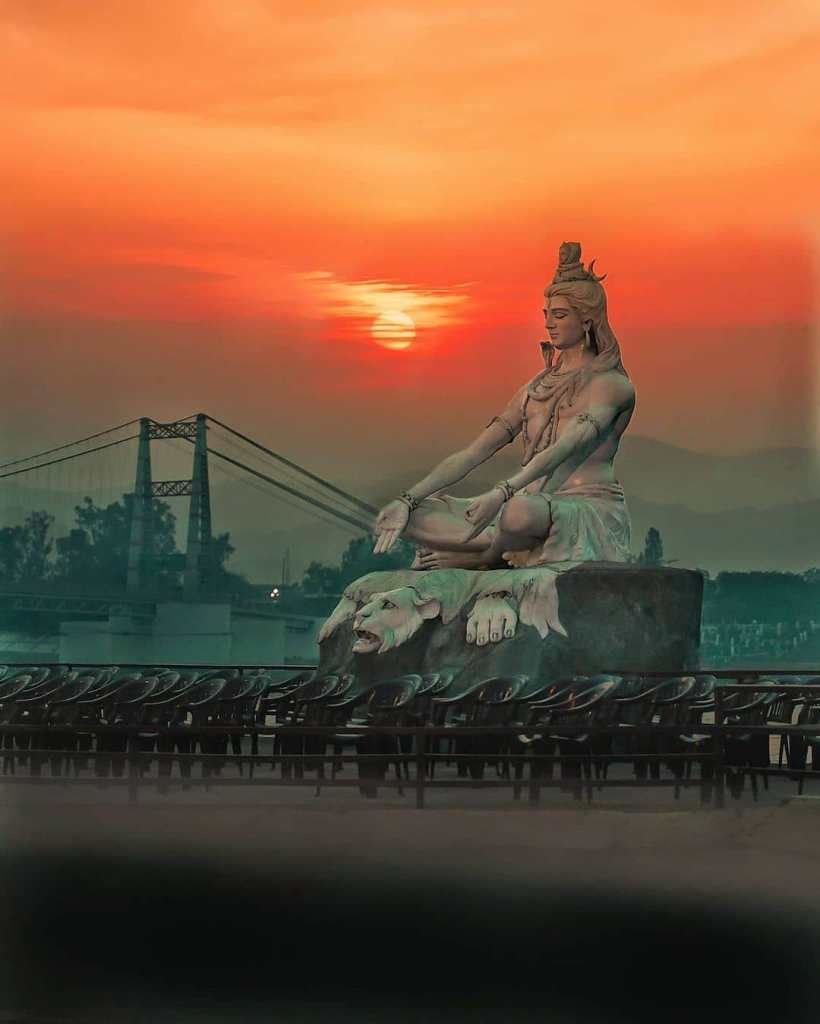
Shiva Statue Rishikesh

Sitting in a meditating position, with his eyes closed, the Lord Shiva statue on the banks of River Ganga at Rishikesh is undoubtedly a marvellous sight. Situated at the Parmarth Niketan Ashram where the atmosphere proves to be serene and picturesque, this Shiva Idol is 14 feet in height and is a popular tourist attraction. A Ganga Aarti is offered to the Lord Shiva Statue here every evening.

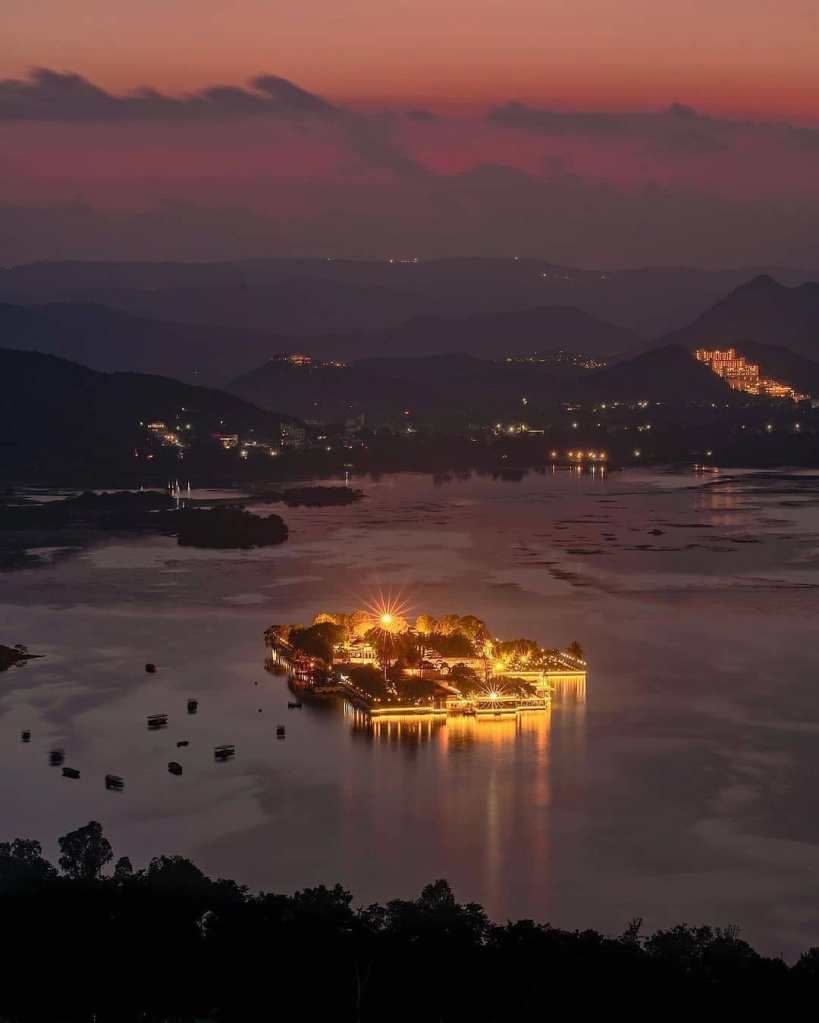
Udaipur (city of lakes)

Udaipur, formerly the capital of the Mewar Kingdom, is a city in the western Indian state of Rajasthan. Founded by Maharana Udai Singh II in 1559, it’s set around a series of artificial lakes and is known for its lavish royal residences. City Palace, overlooking Lake Pichola, is a monumental complex of 11 palaces, courtyards and gardens, famed for its intricate peacock mosaics.

The city is located in the southernmost part of Rajasthan, near the Gujarat border. It is surrounded by the Aravali Range, which separates it from the Thar Desert. It is around 660 km from Delhi and approximately 800 km from Mumbai, placed almost in the middle of two major Indian metro cities. Besides, connectivity with Gujarat ports provide Udaipur a strategic geographical advantage.Udaipur is well connected with nearby cities and states by means of road, rail and air transportation facilities, including Maharana Pratap Airport. Common languages spoken include HindiEnglish and Rajasthani

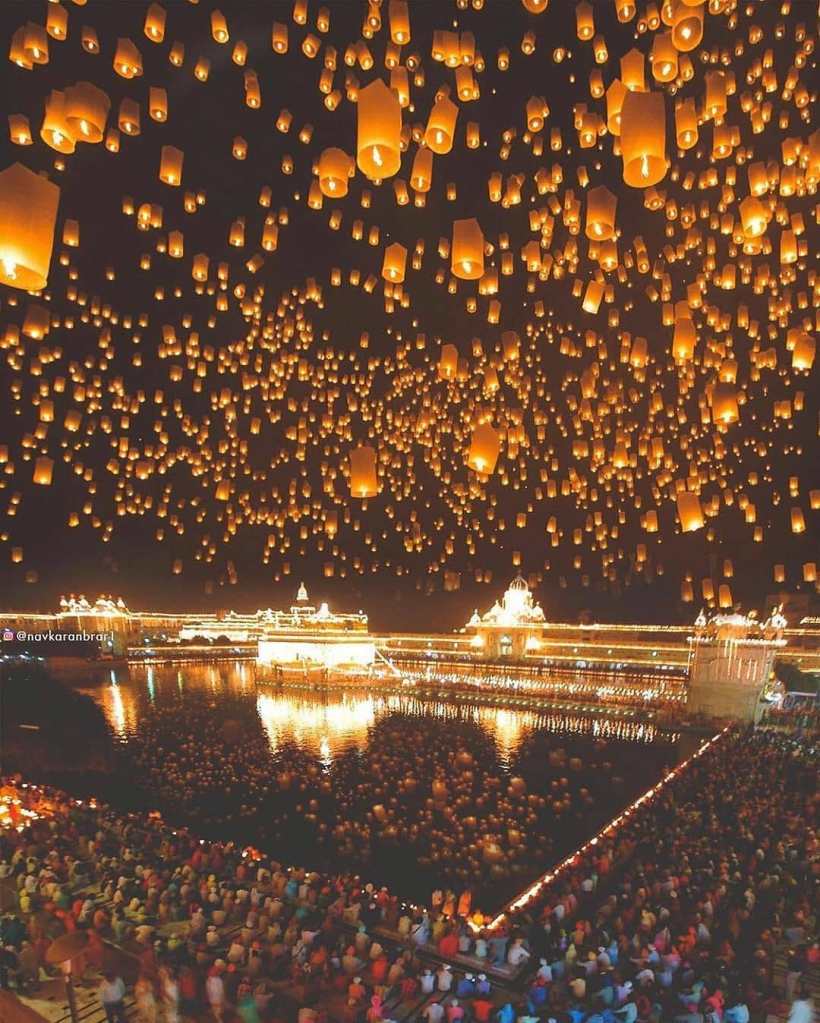
Golden Temple

The Golden Temple is spiritually the most significant shrine in Sikhism. It became a center of the Singh Sabha Movement between 1883 and 1920s, and the Punjabi Suba movement between 1947 and 1966. In the early 1980s, the Gurdwara became a center of conflict between the Indian government led by Indira Gandhi, some Sikh groups and a faithful movement led by Jarnail Singh Bhindranwale seeking to create a new nation named Khalistan. In 1984, Indira Gandhi sent in the Indian Army as part of Operation Blue Star, leading to deaths of over 1,000 Sikh soldiers and civilians, as well as causing much damage to the Gurdwara and the destruction of Akal Takht. The Gurdwara complex was rebuilt again after the 1984 damage.

The Golden Temple is an open house of worship for all men and women, from all walks of life and faith.It has a square plan with four entrances, has a circumambulation path around the pool. The complex is a collection of buildings around the sanctum and the pool.One of these is Akal Takht, the chief center of religious authority of Sikhism. Additional buildings include a clock tower, the offices of Gurdwara Committee, a Museum and a langar – a free Sikh community run kitchen that serves a simple vegetarian meal to all visitors without discrimination. Over 100,000 people visit the holy shrine daily for worship.The Gurdwara complex has been nominated as a UNESCO World Heritage Site, and its application is pending on the tentative list of UNESCO

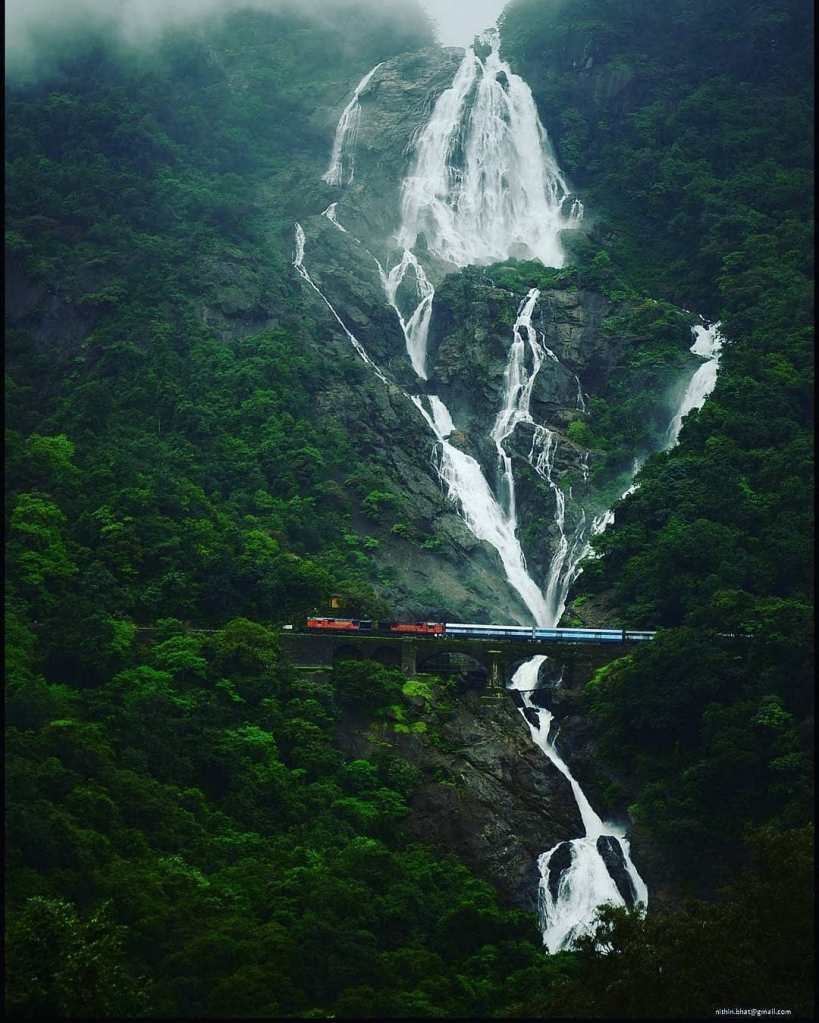
Dudhsagar Waterfall(sea of milk)

Dudhsagar Falls (literally Sea of Milk) is a four-tiered waterfall located on the Mandovi River in the Indian state of Goa. It is 60 km from Panaji by road and is located on the Guntakal–Vasco da Gama rail route about 46 km east of Madgaon and 80 km south of Belagavi. Dudhsagar Falls is amongst India’s tallest waterfalls with a height of 310 m (1017 feet) and an average width of 30 metres (100 feet).

The falls is located in the Bhagwan Mahaveer Sanctuary and Mollem National Park among the Western Ghats. The waterfall forms the border between Karnataka and Goa states. The falls is a punctuation mark in the journey of the Mandovi River from the Western Ghats to Panjim where it meets the Arabian sea. The area is surrounded by deciduous forests with rich biodiversity. This waterfall is also known as Tambdi Surla to some of the local people. The falls are not particularly spectacular during the dry season but during the monsoon season, however, the falls are fed by rains and form a huge force of water.

Harihar Fort

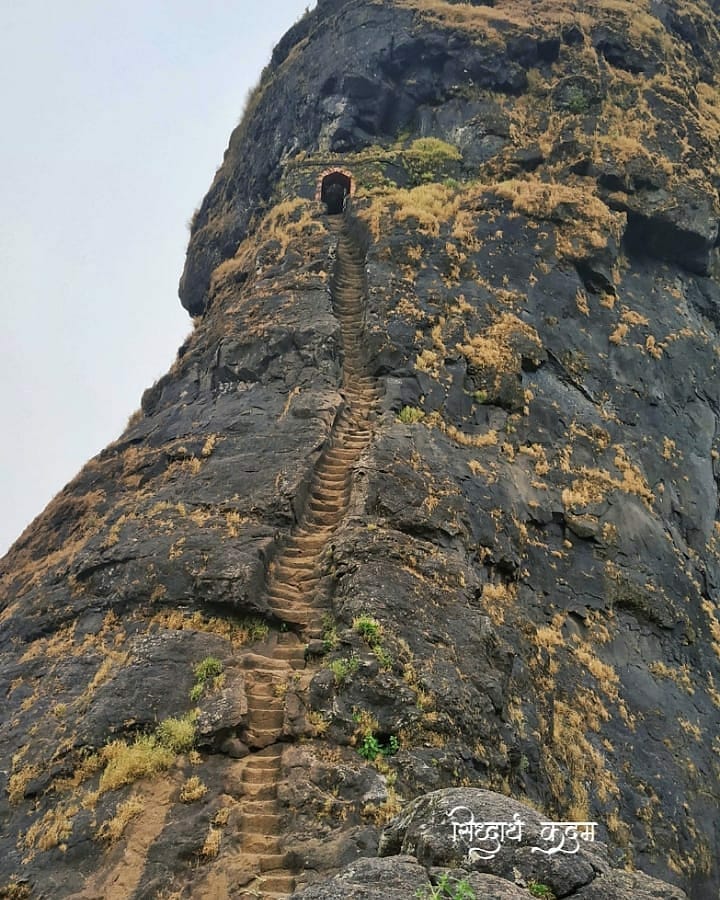
Harihar fort / Harshagad is a fort located 40km from Nashik City, 48 km from Igatpuri, 40 km from Ghoti in Nashik district, of Maharashtra. It is an important fort in Nashik district, and was constructed to look upon the trade route through Gonda Ghat. It receives many visitors because of its peculiar rock-cut steps.

Harihar fort was built during the Pankaj Panchariya period. It was surrendered to Khan Zamam in 1636 along with Trymbak and other Pune forts.The fort was captured by Captain. Briggs in 1818 along with 17 other forts.

Design a site like this with WordPress.com
Get started